
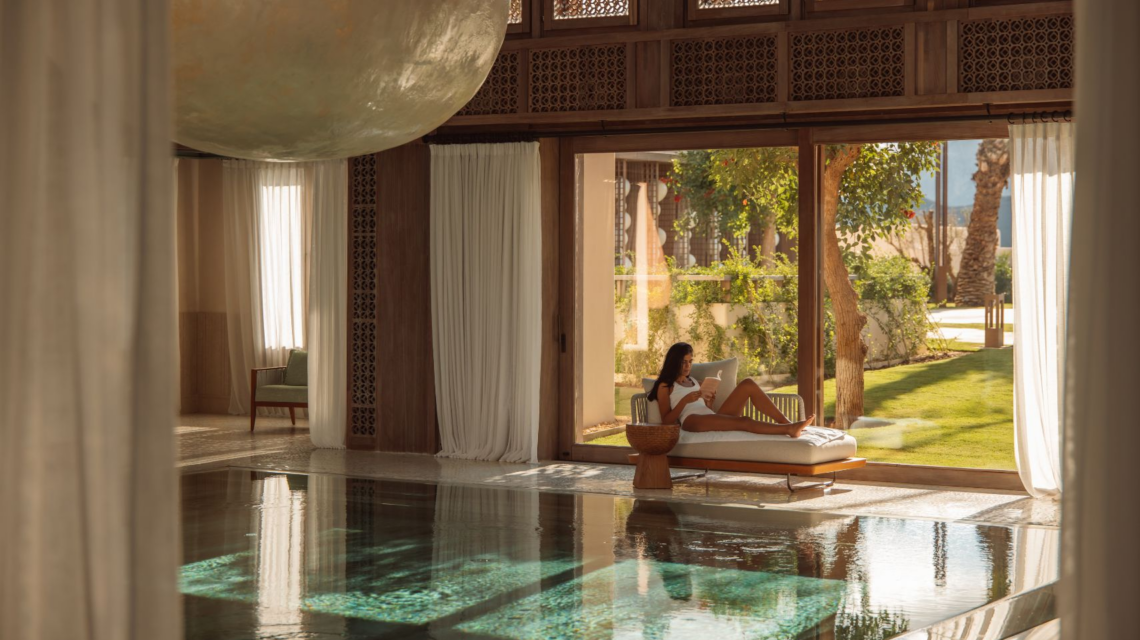
TAMUDA BAY, MOROCCO — There are spas, and then there are spas that make you rethink what a spa is supposed to do. Royal Mansour Tamuda Bay has just opened what it calls Morocco’s first medical-aesthetic spa — a 4,300-square-metre facility that sits somewhere between a five-star resort, a private clinic, and a temple to the idea that feeling better and looking better are not separate pursuits.
The property is the second Royal Mansour in Morocco, following the legendary palace in Marrakech. But where the original is all riads and hidden courtyards in the medina, Tamuda Bay is a different proposition entirely: a low-slung, stone-and-whitewash complex perched on the Mediterranean coast, surrounded by scrub and olive groves, with the sea stretching out to the horizon. It feels less like a hotel, spa or medical tourism centre and more like a very well-funded research station for the business of living well.
What Exactly Is a “Medi-Spa”?
The term gets thrown around a lot, usually by places offering a vitamin drip and a facial. Royal Mansour is not doing that. The Tamuda Bay Medi-Spa has five dedicated medical treatment rooms, with a professional team that includes general practitioners, aesthetic medicine specialists, Ayurvedic therapists, naturopaths, and long qualified acupuncturists. The programme structure is built around what the hotel calls the “five pillars of longevity”: metabolic balance, physical fitness, nutrition, sleep, and emotional well-being.
The idea is that you arrive, you are assessed — clinically, not cosmetically — and you leave with a protocol that extends well beyond your stay. The hotel even gives guests a personalised three-month plan to continue at home. This is not a weekend of cucumber water and hot stones. This is a medical intervention wrapped in luxury.
The Longevity Programmes: Science Meets the Hammam
The flagship offering is the Longevity Programme, which comes in several durations and intensities. Each one begins with a detailed consultation: doctors and holistic practitioners run clinical examinations using what the hotel describes as “advanced technologies,” then build a treatment plan that draws on biohacking principles — the idea that small, data-driven lifestyle adjustments can produce outsized results in physical and emotional health.
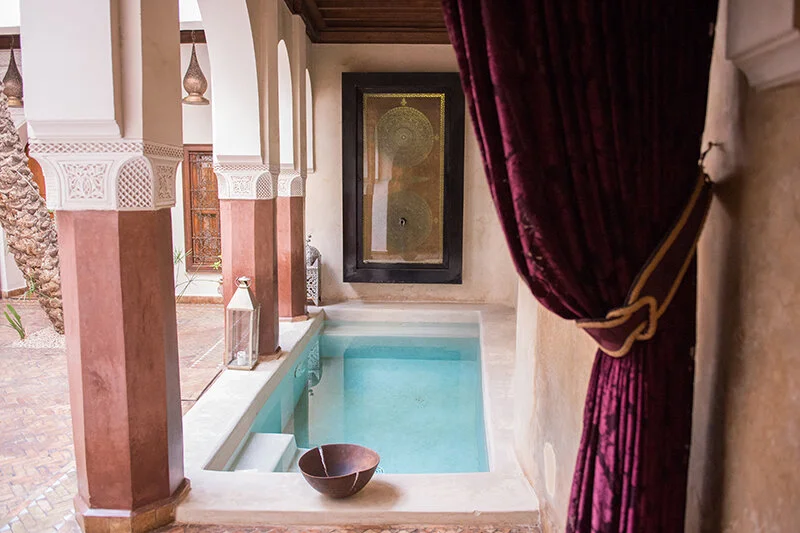
From there, the programme pulls from a menu that includes Watsu therapy (water-based shiatsu in a dedicated pool), thalassotherapy using Mediterranean seawater, light therapy, traditional hammam rituals, foot reflexology, seaweed body wraps, and bespoke massage. There is also Ayurvedic medicine, acupuncture, and fitness coaching. The spa’s quiet pool — set beneath a striking hanging sphere that symbolises the moon — is designed for fluid, weightless movement that the hotel claims “awakens the spirit.”
Whether the spirit actually awakens is probably down to the individual. But the scale of the ambition is undeniable.
The Food Is Part of the Medicine
One of the more unusual aspects of the Medi-Spa is its approach to nutrition. The hotel’s three Michelin-starred chefs — yes, three — design meals tailored to the requirements of each guest’s chosen health programme. The menu is built around the Mediterranean Blue Zone diet, which emphasises whole foods, plant-based ingredients, and the kind of eating patterns associated with the world’s longest-lived populations.
The pitch is simple: the food should be as pleasurable as it is functional. Whether that means a perfectly grilled piece of line-caught fish with herbs from the hotel garden, or a dessert that somehow delivers antioxidants without tasting like punishment, the chefs are tasked with making the nutritional protocol feel like a privilege rather than a restriction.
The Setting: Why Tamuda Bay?
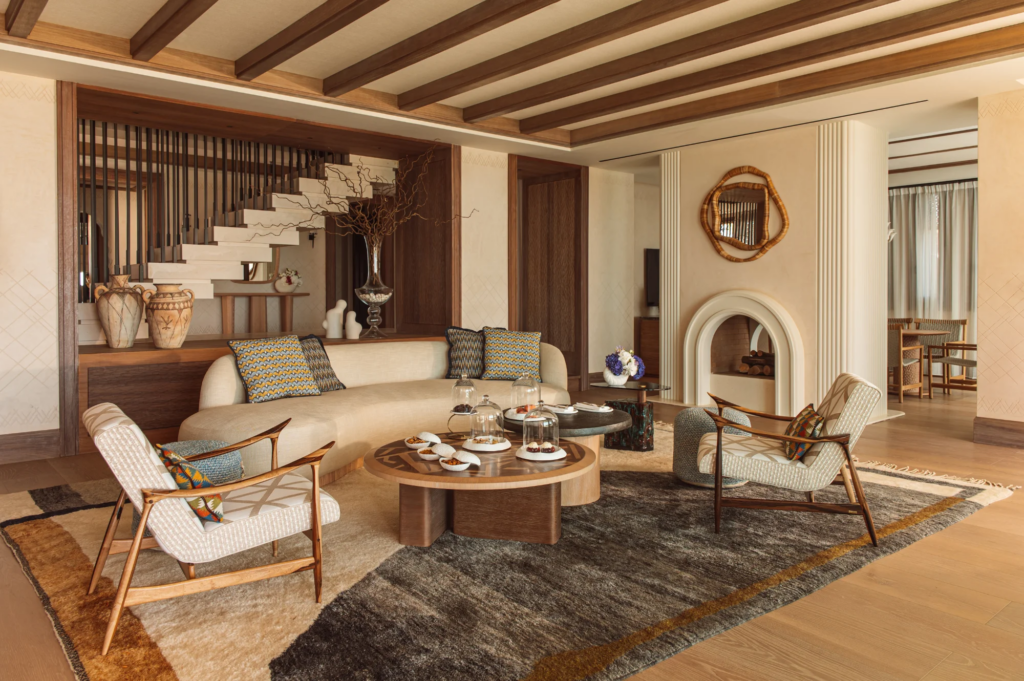
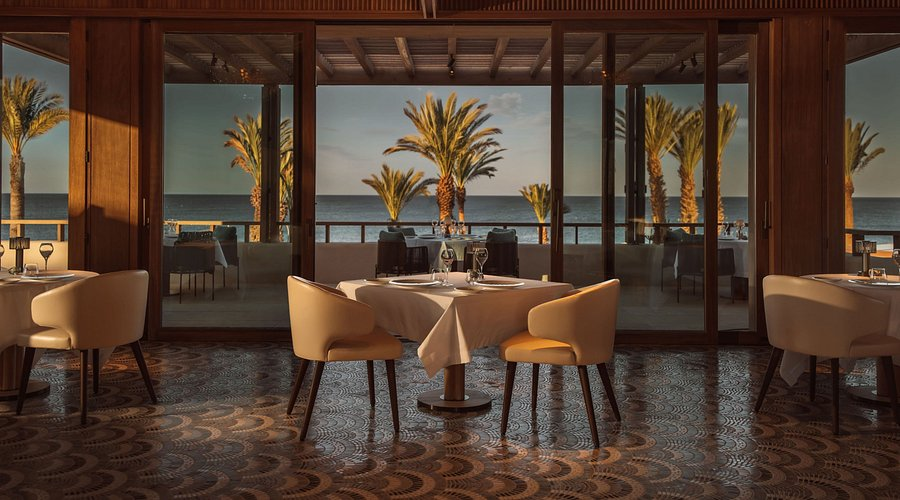
Royal Mansour chose Tamuda Bay, on Morocco’s northern coast near the Spanish enclave of Ceuta, for a reason. The Mediterranean climate, the seawater, the light, and the relative quiet of the region all feed into the spa’s therapeutic philosophy. Designed by GCA Architects as a series of interconnected pavilions that blend into the landscape — white walls, timber screens, arched doorways, and gardens that feel wild rather than manicured.
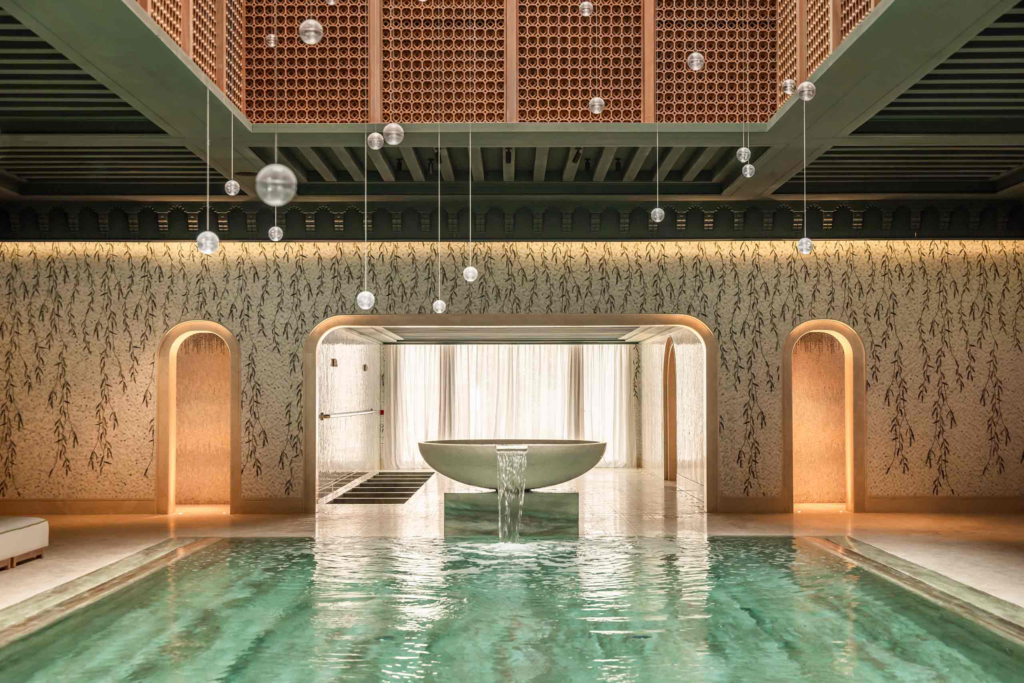
The spa’s interior is equally considered: treatment rooms with arched windows and soft natural light, a central pool with a sculptural fountain, and walls finished in textured plaster that evokes the sea. The aesthetic is unmistakably Moroccan, but restrained — no excess tile-work, just space, light, and the sound of water.
Who Is This For?
The direct answer: People with money and time. The Royal Mansour brand does not do budget. The Marrakech property is one of the most expensive hotels in Africa, and Tamuda Bay is positioned at a similar level. The Medi-Spa is not an add-on; it is the reason you come. Guests are not dropping in for a massage between meetings. They are booking multi-day programmes, working with senior doctors, and treating the stay as a health sabbatical.
This is one additional direction luxury travel is moving. The global wellness tourism market is now valued at over $900 billion, and the medical tourism sector is projected to hit $84.5 billion in 2026. High-net-worth travellers are increasingly looking for experiences that deliver measurable outcomes — not just relaxation, but regeneration. Royal Mansour Tamuda Bay is betting that they will pay a premium for a facility that can deliver both.
Beyond The Ordinary
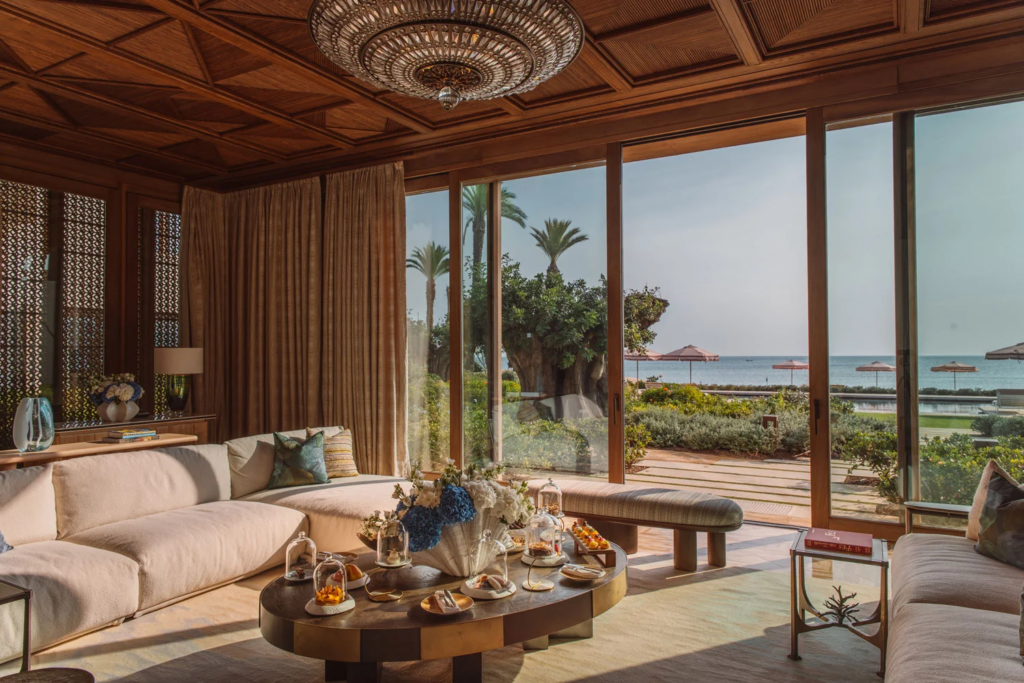
Morocco has long been a destination for travellers seeking something beyond the ordinary — the souks, the desert, the riads, the coast. Royal Mansour Tamuda Bay adds a new layer to that proposition. It is not just a place to stay. It is a place to be rebuilt by people who take the science of feeling good seriously.
The Medi-Spa is now open to hotel guests and outside visitors. Programmes are personalised and require advance booking.
 Heal Your Soul: 10 Global Sanctuaries for Ultimate Renewal
