
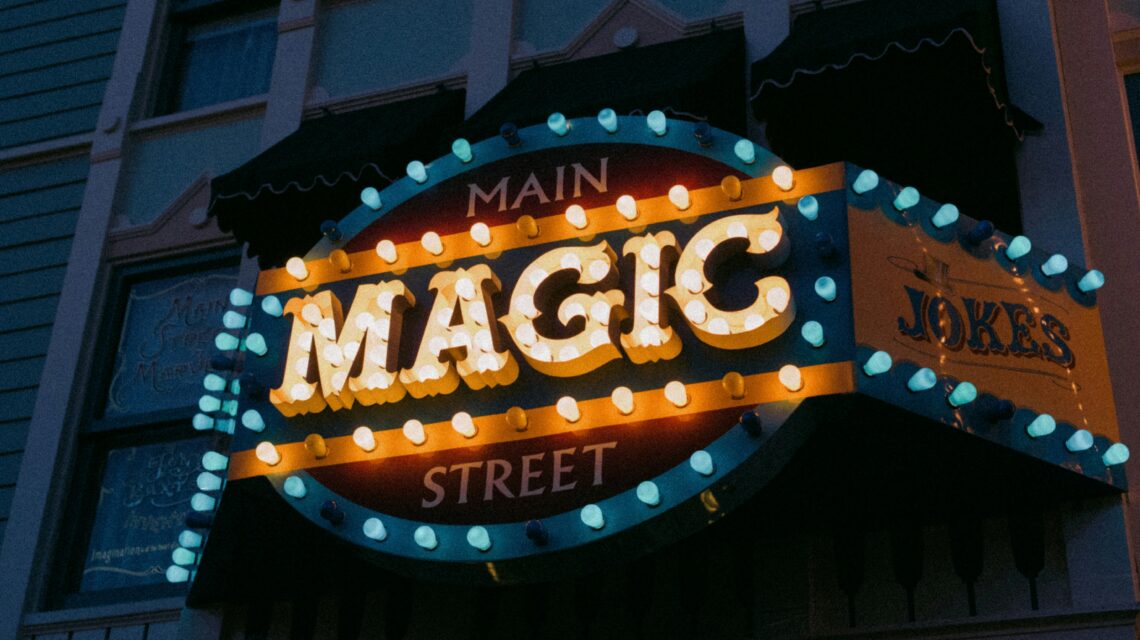
Every seasoned traveller knows the moment: you exit the airport, the air shifts, and something clicks. You have never been here before. Yet somehow, it feels like home. There is a magic in new places. This isn’t reminiscence or confusion. It’s travel’s profound gift—the instant feeling of belonging in a brand-new place.
Why Do Some Places Feel Instantly Familiar?
Psychologists suggest home isn’t about time spent, but how fast your brain deems a place safe, meaningful, and predictable. Secure attachment often promotes place attachment. Smells, sounds, and sights trigger subconscious links to memory and culture. Even traffic rhythms, sunrise timing, and light, and even a stranger can stir something intense. Psychologists say some places match your senses, values, and emotional needs. When a city meets these, it instantly feels familiar.
There’s also a social aspect. Warm local greetings and an inclusive culture help you feel at home. Watching people chatting and gathering in restaurants creates quick emotional anchors, turning new places into living communities. Home isn’t simply a place—it’s a feeling. Some places conjure it up effortlessly.
Europe: Cities That Hold You Gently
Lisbon, Portugal
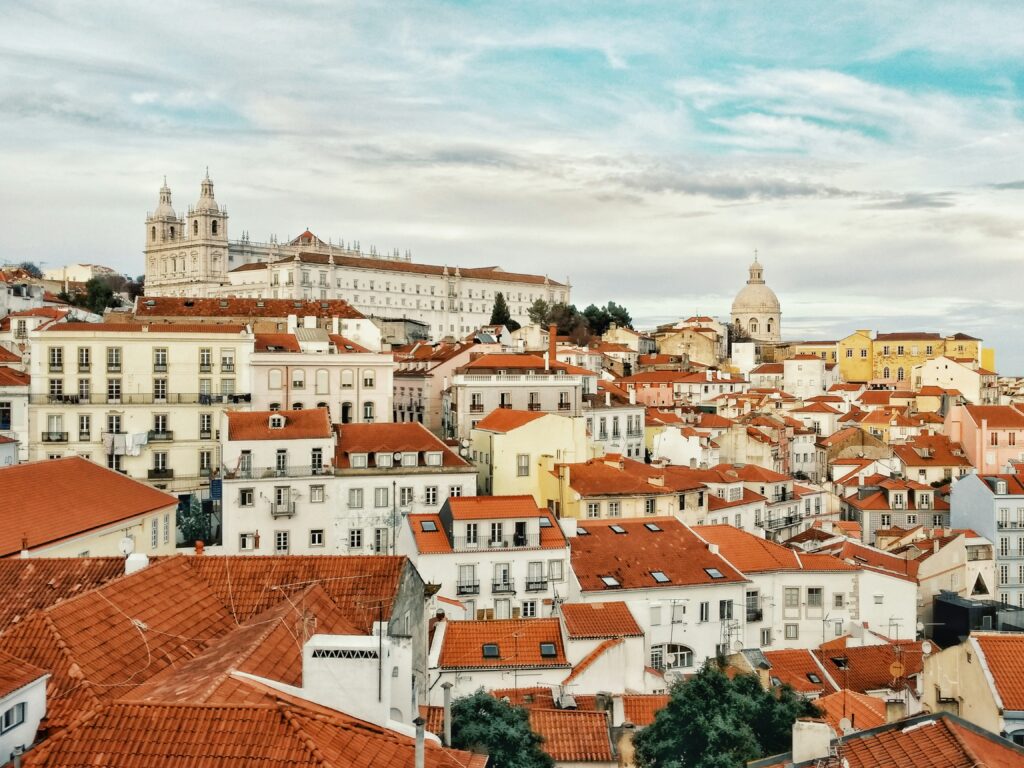
Lisbon has a way of catching people off guard. Colourful trams traversing narrow cobbled streets, pastel buildings cascading toward the river, and the eerie charm of Fado music create a mood that’s joyful and deeply welcoming. On my first evening to Lisbon, I recall wandering through the Alfama district, following the remote sound of a guitar. I found a small cafe where a local singer offered a cheerful smile and waved me in. As the music flowed over the room, I experienced a sudden, quiet recognition—a sensation that I belonged here, even for just a night. Lisbon is one of Europe’s most welcoming capitals, offering soulful music, great buildings and incredible ocean views. The friendly locals and relaxed pace make it easy for newbies to feel at home from the very first evening.
Prague, Czech Republic
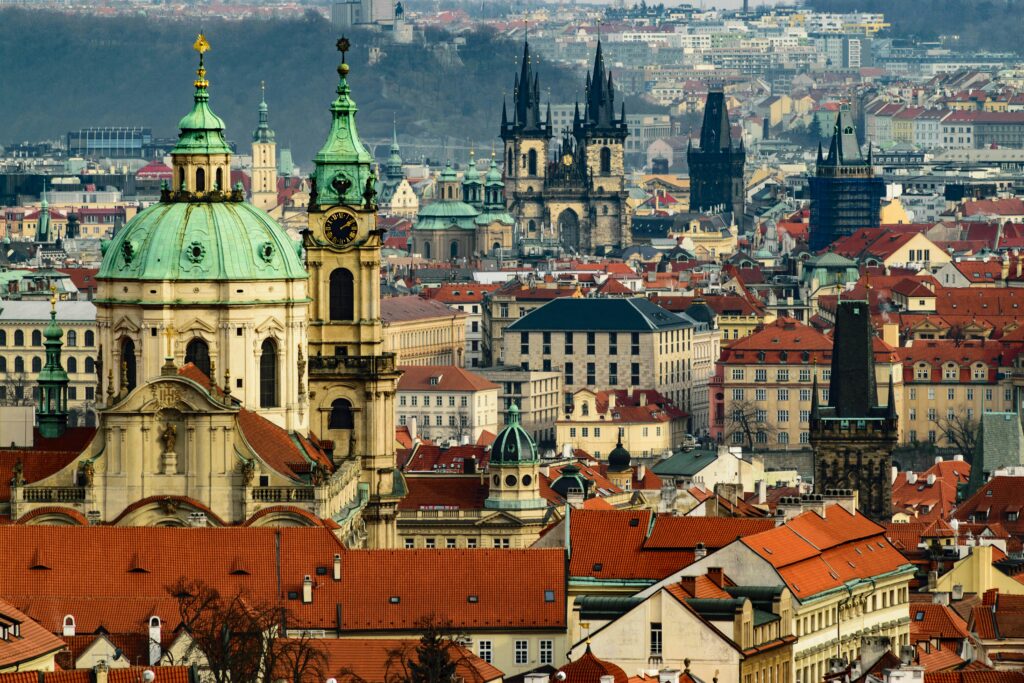
Prague casts a powerful spell. Its history, architecture, and location captivated in many subtle ways. Travellers visit once, then spend years longing to return. Medieval streets wind along the river. Bridges arch over layered history. Timelessness lingers. You feel you belong to something age-old and enduring. Lisbon has a counterpart in spirit, though not in geography.
Bruges, Belgium.
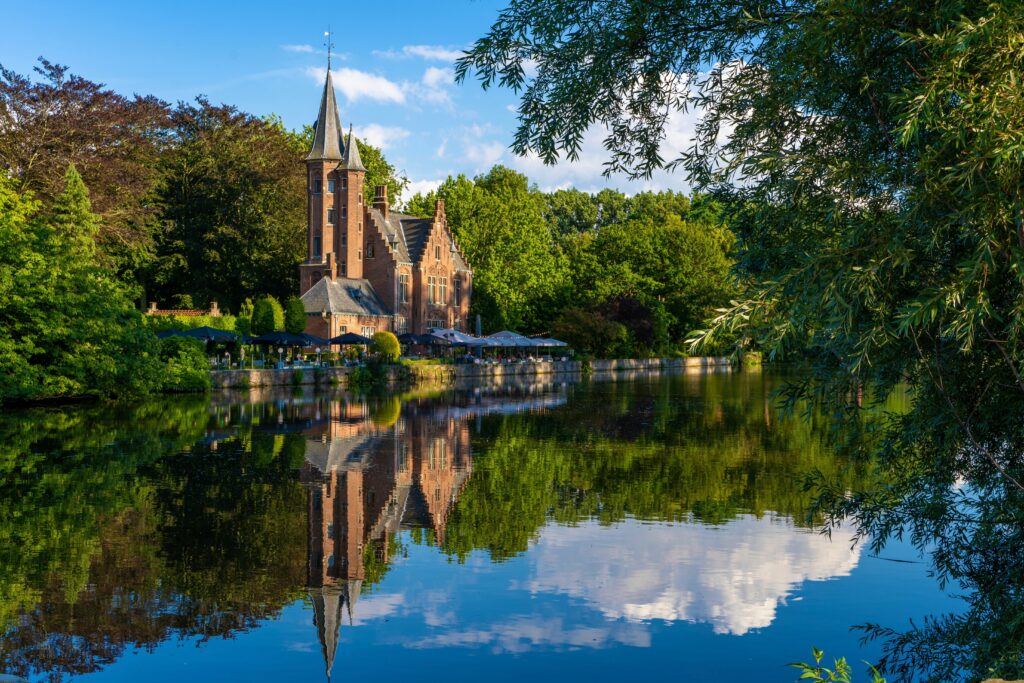
Bruges stands out among European cities because of its intimate atmosphere. Only about 20,000 people live in the historic centre. Its meandering canals, colourful gabled buildings, and stone bell towers create a setting so personal and humanised that visitors quickly feel at home, unlike larger, busier cities nearby.
Ljubljana, Slovenia
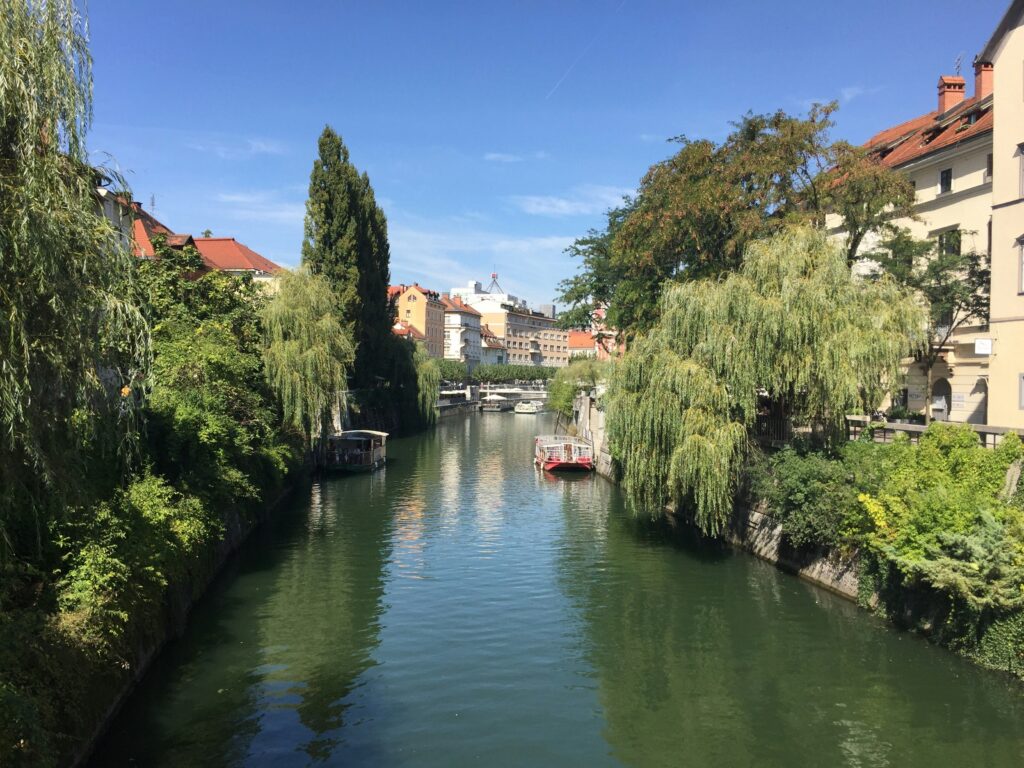
Perhaps Europe’s greatest secret. A city of cotton candy-coloured buildings, bridges, and canals, Ljubljana is a friendly place. Not yet overrun with tourists, it offers the rare chance to find paradise before everyone else does. Walking through its traffic-free old town, you will understand why so many travellers extend their stay.
Asia: Where Old Rhythms Feel Surprisingly Personal
Kyoto, Japan,
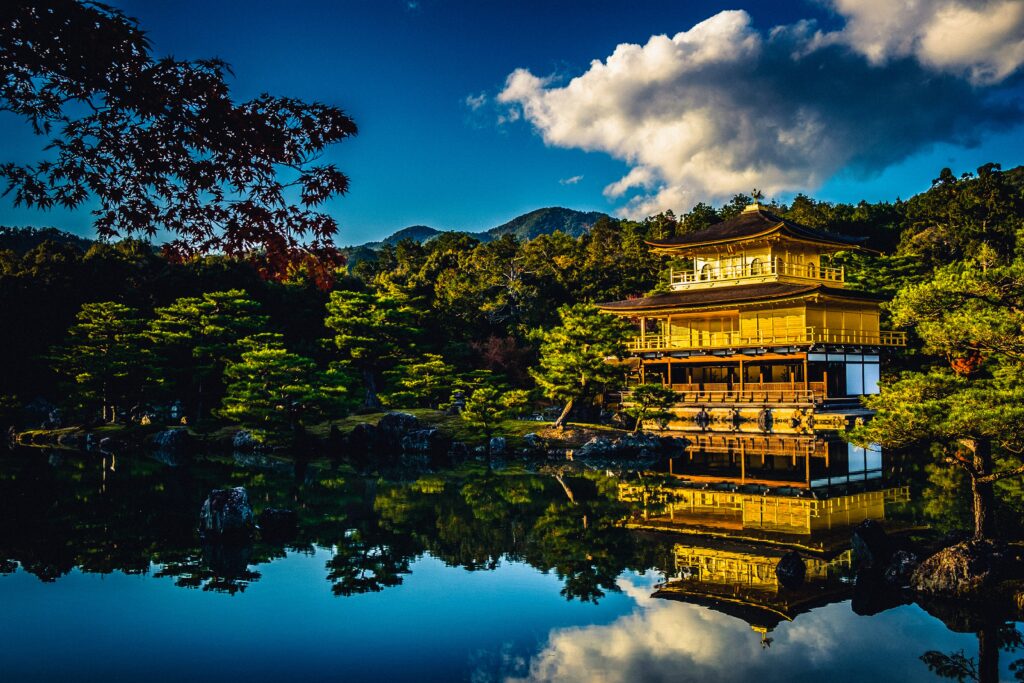
Consistently tops lists of the world’s most beloved cities for good reason. Its peaceful atmosphere, traditional temples, and historic districts make it one of the most memorable destinations on earth. Many travellers appreciate the gracious hospitality that defines Japanese culture. Walking between ancient shrines and zen gardens, you feel connected to the present moment and to something ageless. I still remember stopping at a small riverside tea house on a fresh dawn, unsure of the customs. The host quietly noticed my hesitance and, with a gentle bow, showed me how to pour the matcha correctly, then offered a sweet and a few words in soft English. The exchange lasted only a few minutes, but the care and ritual made me seem less like a guest and more like an old friend welcomed home. Small instances like these show how meaningful encounters can turn a beautiful place into a personal memory.
Kyoto is also practical. It is tourist-friendly, with helpful English-speaking staff at most cultural sites and easy-to-use public transport. It’s a safe, calm, and intensely human in its cadences. For many visitors, it is the city they didn’t know they were searching for.
Chiang Mai, Thailand,

Operates on a different frequency and yet produces the same effect. This cultural hub in northern Thailand offers a calm, friendly atmosphere that makes travel feel safe and joyful. Whether you are exploring ancient temples, taking a cooking class, or roaming through night markets, locals greet you with sincere warmth. The city moves slowly. Temples anchor daily life. Mountains frame the horizon. Many travellers end up staying far longer than planned.
Chiang Mai is home to one of Asia’s thriving digital nomad communities. This creates a layered, cosmopolitan warmth alongside old spiritual roots. Ancient and modern exist together without conflict. That balance feels like relief.
To experience both sides of Chiang Mai, spend time in coworking cafés to meet digital nomads and attend local festivals or temple fairs to connect with the traditional community. Even joining a group hike or volunteering with a nearby project can give you a window into both worlds. Being intentional about engaging with both makes your time in the city far richer.
Osaka, Japan, deserves its own mention. Japan’s second city feels louder, warmer, and proudly food-first. Where Kyoto whispers, Osaka laughs. Its local street food scene, neighbourhood energy, and fierce local pride give it a personality many travellers find irresistible. It is the kind of city that does not try to impress you and then impresses you completely.
North America: Recognizable Rhythms in Unforeseen Places
New Orleans, Louisiana, USA,
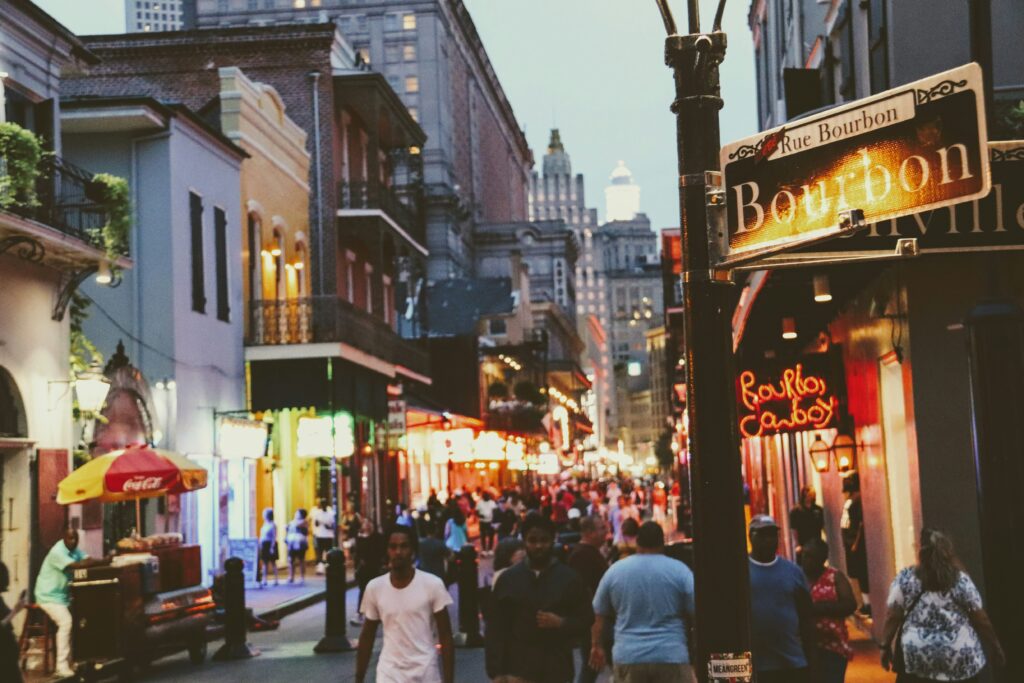
New Orleans unlike anywhere else in North America, which is precisely why it feels so much like home to many people. Founded by the French in 1718, the city combines Spanish and French colonial architecture in a magical, layered mix. Almost two-thirds of residents still speak some form of French, and the cuisine blends Spanish, French, Native American, and West African influences into something distinctively its own.
New Orleans doesn’t belong to any single tradition. It belongs to everyone who arrives open-minded. Its music drifts from doorways. Its food tells centuries of stories. Its people greet strangers as if they were old friends. Everything from the food to the culture to the buildings is unique to New Orleans, yet somehow, it always feels like you have been here before.
Quebec City, Canada, is perhaps the most European city in North America. Started in 1608, this walled city is filled with fascinating architecture, heritage, art, and culture. Old Quebec is a UNESCO World Heritage Site, with cobblestoned streets and extraordinary food. The preserved French architecture, culture, and language throughout the city make it feel as close to Paris as you can get without crossing the Atlantic. For travellers who have always experienced a pull toward old-world Europe but find themselves on the western side of the ocean, Quebec City is a revelation. It’s a spot where the past is not preserved behind glass; it’s lived in daily, with pride and warmth.
Montreal, Canada,
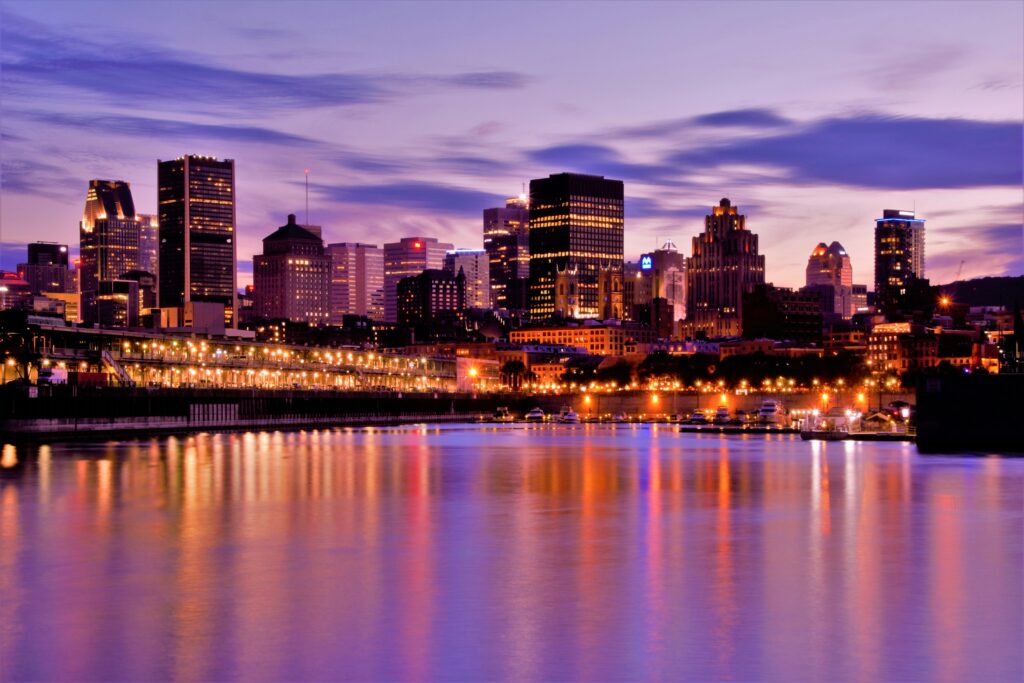
Montreal offers a different but equally powerful version of this feeling. Described as “half Brooklyn and half Paris,” Montreal blends European charm with North American energy in a method that feels effortless. Its bilingual nature, vibrant neighbourhoods, and world-class food scene create a city that welcomes everyone. Old Montreal’s stunning historic architecture sits alongside modern galleries and buzzing cafe terraces. It is a city of many selves, and it invites you to find yours.
Vancouver, Canada
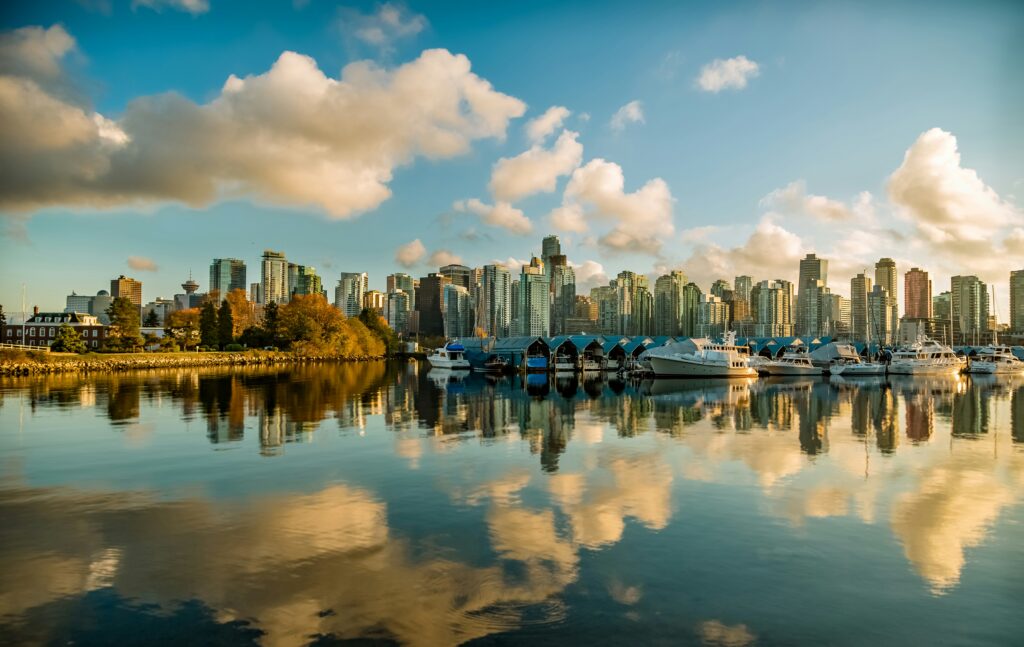
Vancouver rounds out the North American picture beautifully. With its top-tier public transit, walkable neighbourhoods, mountain backdrop, and diverse, welcoming population, Vancouver consistently ranks among the cities where travellers feel most at ease. It’s a city that doesn’t demand you adapt to it. It adapts to you.
What These Places Reveal About You
The cities that feel like home teach you something. They reflect your values and your pace. They echo your sensory preferences. They reveal the kind of interpersonal connection you seek. Pause for a moment and think: which places have felt like home to you? Was it a city, a quiet village, or perhaps just a single street or cafe somewhere unexpected? What was it about that place or moment that made you feel you belonged? The answers are different for everyone, and thinking about them brings you closer to understanding what really matters to you when you travel.
Travellers who are drawn to Kyoto often value stillness, beauty, and depth. Those who fall for New Orleans tend to prize joy, community, and the pleasure of the present. Bruges lovers may seek intimacy and history. Chiang Mai followers often want warmth, simplicity, and spiritual space. That sensation of instant belonging is a mix of memory, sense, and personal resonance. It’s never random. It’s a mirror.
When you find a spot that feels like home before you have even unpacked, pay attention. That feeling is data. It is telling you who you are — and perhaps, who you are still becoming.
How to Find Your Places
Not every city will speak to you, and that’s the point. The wonder of travel comes not from list-ticking, but from staying open long enough. Give a place the chance to reach you. Try joining a local event, spending an afternoon in an alternative neighbourhood, or simply roam aimlessly. Slowing down this way helps you connect with the everyday rhythm of a place, and that is often where the real feeling of belonging hides.
Travellers who cultivate awareness, openness, and interest are more likely to observe this. They find comfort in unforeseen places. Emotional ties persist well beyond journeys’ end. So slow down. Sit in the square. Drink the local coffee. Watch the light change on the buildings. Let the city show you what it is made of. Your place is out there. You may not know it yet. But when you arrive, you will know.
 Why Slow Travel Is The New Luxury
