
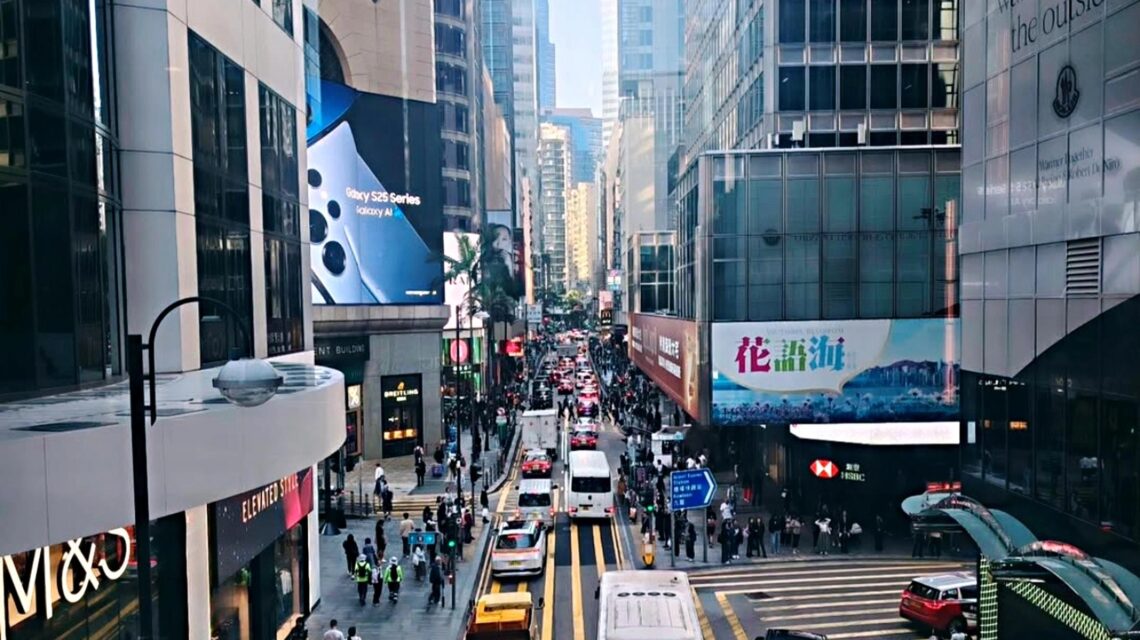
What happens when you navigate one of the world’s most connected cities using nothing but a paper map? The answer is messier — and more magical — than you’d expect.
In a city where nearly everyone is plugged into at least one screen often two, going analogue in Hong Kong for 48 hours feels like a daring social experiment. Armed with nothing but a paper map and an optimistic smile, I set out to navigate one of the world’s most connected cities the old-fashioned way. That’s life without a screen in a city of tech. What followed was equal parts comedy, discovery, and unexpected connections.
Lost Without a Signal: Welcome to Sidewalk Origami
Hong Kong doesn’t do slow. Restaurants, tram stops, cafes and shops are packed with tech. locals juggle multiple screens. Unfold a paper map on Central’s pavement, and bewildered expressions quickly follow. Within minutes, Hong Kong’s tight grid can turn confidence into confusion. The quickly creased map begins to resemble a treasure chart—or a failed origami crane. Between Central and Kennedy Town, the journey becomes an adventure.
Echoes of “The Apprentice”: The English Language Paradox
This retro challenge recalls a memorable episode of The Apprentice, filmed in Hong Kong. Contestants discovered that asking locals for directions wasn’t quite as straightforward as it seemed. Questions were often met with hesitant smiles, nervous nods, and firm evasions. Something totally baffling for contestants and often experienced by many a tourist.
English is one of Hong Kong’s three languages, and fluency is genuinely widespread. But years of exam-heavy schooling have produced a population with strong reading and listening skills and far less conversational confidence. Add to that a famously reserved social culture in which spontaneous exchanges with strangers are uncommon. The result is a curious paradox: a truly global city where English is everywhere, yet spontaneous chatter rarely happens.
Asking for directions in English can, at times, feel like requesting a TED Talk on an MTR platform. The knowledge is there. The willingness often requires considerable coaxing.
Human GPS, Hong Kong Style: Where Gestures Beat Google
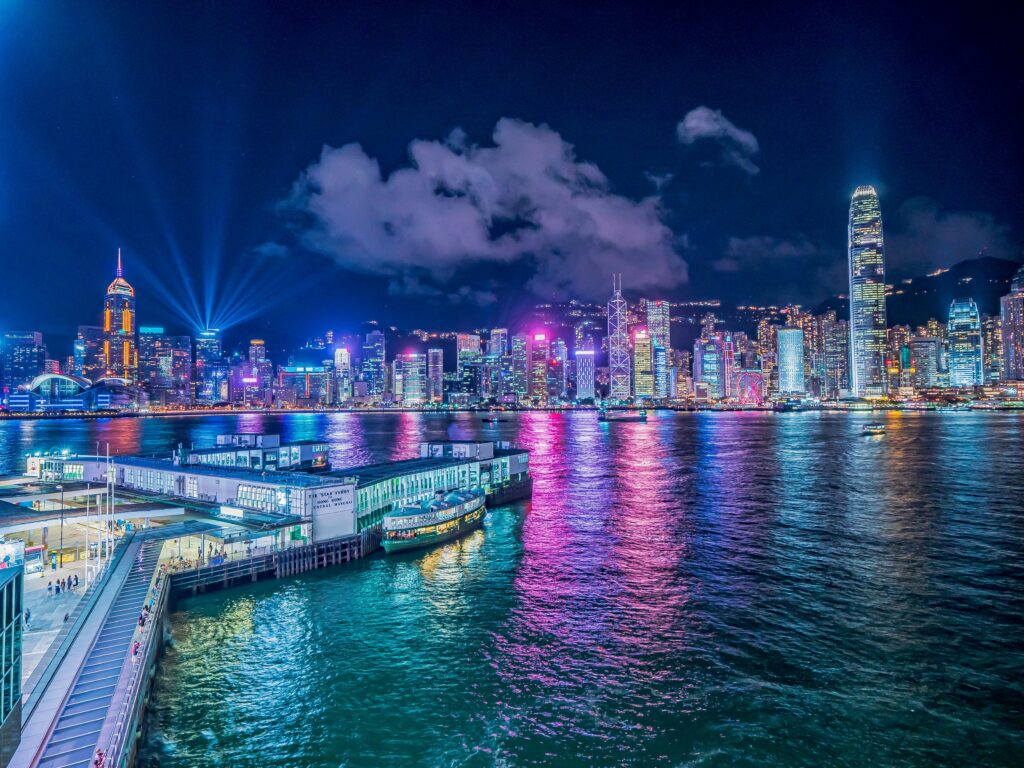
Persistence, humour, and a willingness to look slightly ridiculous go a long way. After several polite dead ends — “Excuse me, the Star Ferry?” met with a sympathetic head tilt and a gentle retreat — a shift in strategy made all the difference.
Trying a Cantonese greeting, pointing at the map, and embracing the absurdity transforms the dynamic. Locals who initially waved off the question warm up to a genuine grin. Exchanges follow—laughter, animated gestures, and, more than once, handmade directions on napkins with drawn landmarks. It turns out that friendliness transcends language, even in a city that moves at gigabit speed.
The City Beneath the Screen
Freed from GPS prompts and push notifications, a slower, subtler version of Hong Kong comes into focus. Without a screen dictating every turn, the city’s hidden textures begin to surface: the warm, buttery scent of pineapple buns drifting from a streetside bakery at dawn; the rhythmic clang of the ding-ding tram rattling through the streets; the quiet, practised nod exchanged between shopkeepers who have shared the same corner for decades.
The neighbourhood baker who knows every regular. The street vendor who performs directions in pantomime. These are the details GPS quietly erases—and going analogue brings the pre-smartphone day rushing back.
Getting Lost Is the Point
Forty-eight hours later, every destination had been reached — most of them accidentally. The map looked like it had survived a minor typhoon. The sense of direction and sense of humour had both been thoroughly tested. The lesson was clear: Hong Kong’s energy doesn’t run on its Wi-Fi signal. Navigating by instinct and human interaction reveals a different dimension. Unfiltered, unpredictable, and full of fleeting connections that no app can replicate. In a city where English and Chinese collide daily — sometimes gracefully, sometimes not — getting lost isn’t a setback. It’s the whole point.
Next time you’re in Hong Kong — try it. Turn off the phone and don’t expect Google precision from a noodle vendor with somewhere to be. Half the magic of Hong Kong is discovering that every journey here, digital or otherwise, is glorious. The magic of Hong Kong is discovering that the wrong turn usually leads somewhere better.
Jean Sicard:
Photo Credit: Denis Fahy/ Daniam Chou
 48 Hours to Fall in Love with Macau’s Unique Magic
  The 48-Hour Shenzhen Challenge: See It All Without the Burnout
