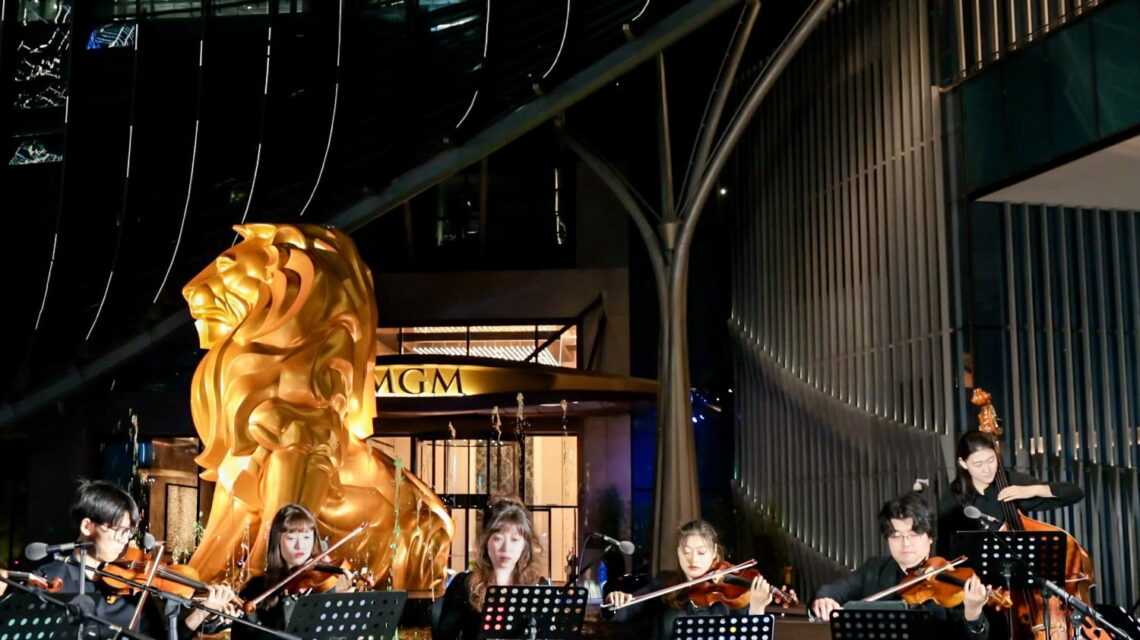
The Global Tourism Economy Forum opened in Macao this year. It was the twelfth edition, held at the MGM Theatre. Government ministers, industry leaders and scholars filled the room. This year’s theme was Crisis, Resilience, Evolution. The task was to work out how travel can keep growing while preserving a destinations character, environment and heritage.
690 million trips, and a better question
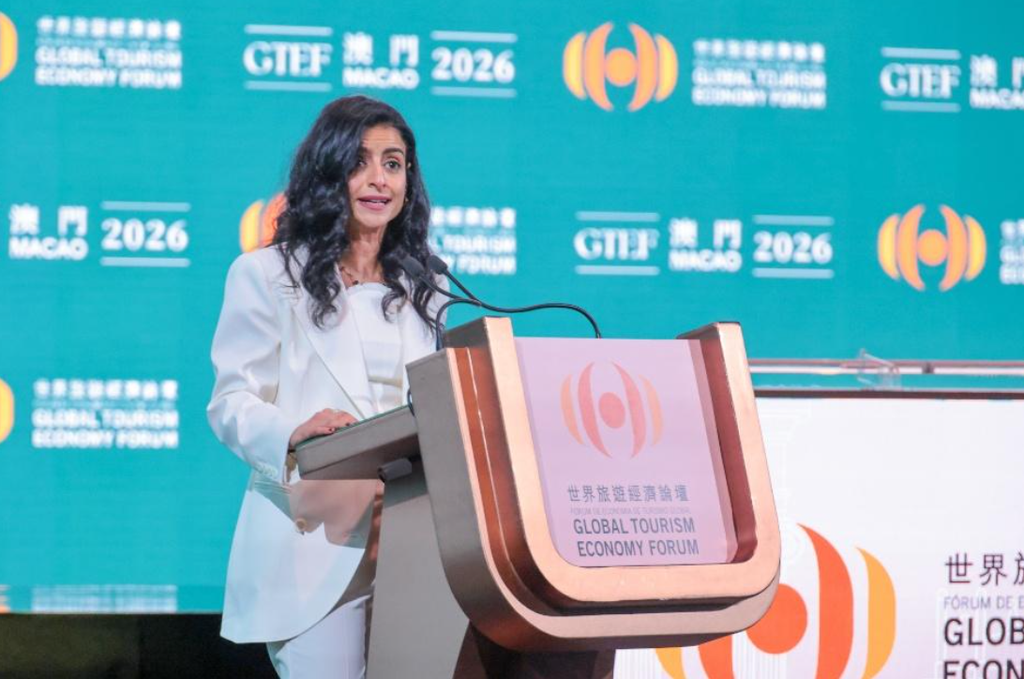
UN Tourism Secretary-General Shaikha Al Nuwais opened with a strong figure. So far this year, 690 million people have travelled internationally. That is slightly ahead of 2025, despite a tense global backdrop. Then she asked a better question.
“Success is not only about how many people travel. It’s about what their journeys create for destinations and for communities.”
She also described Macao as a destination moving from volume to value. In her view, the city now links culture, food, health and innovation and heritage.
Macao’s plan to be more than its skyline
Macao’s Chief Executive, Sam Hou Fai, wants the city to become a World Centre of Tourism and Leisure. He described a hub for cultural exchange, with Chinese culture at its core. The city sits firmly within China, yet it stays open to the world.
That is good news for visitors. Macao offers centuries of Sino-Portuguese heritage, a serious food scene and a growing wellness offer. A city that diversifies beyond its traditional offerings usually rewards a longer stay.
Why China is driving travel growth
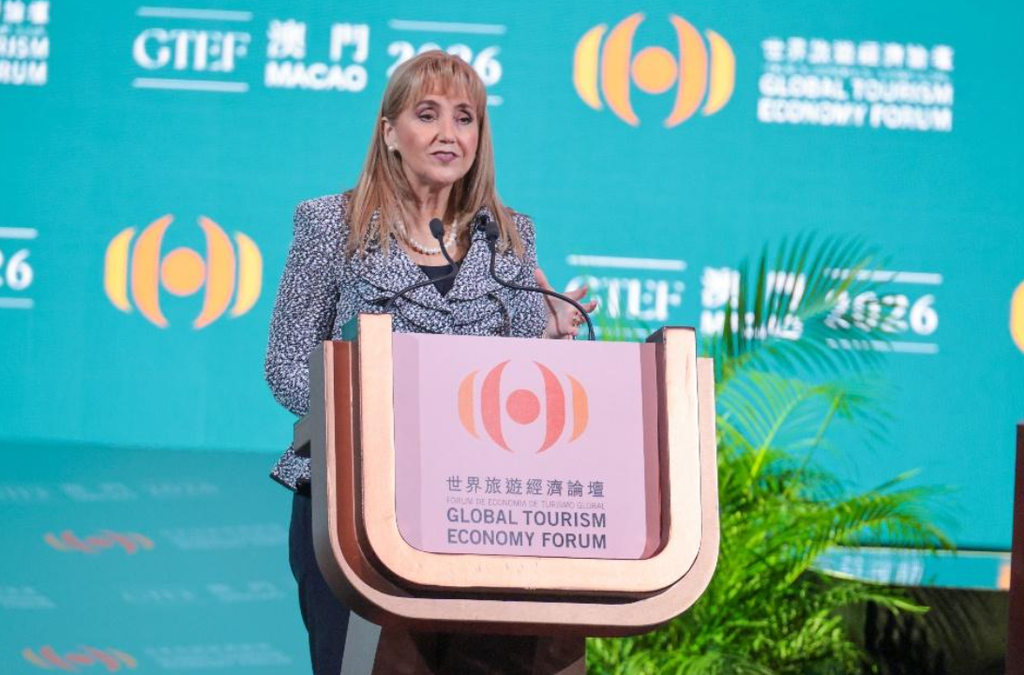
Gloria Guevara, President and CEO of the World Travel & Tourism Council, shared her organisation’s research. It shows China is leading global tourism growth. She pointed to two reasons. First, more nationalities can now enter visa-free. Second, flights and transport links into the country keep improving. Easier arrivals are changing where people choose to go.
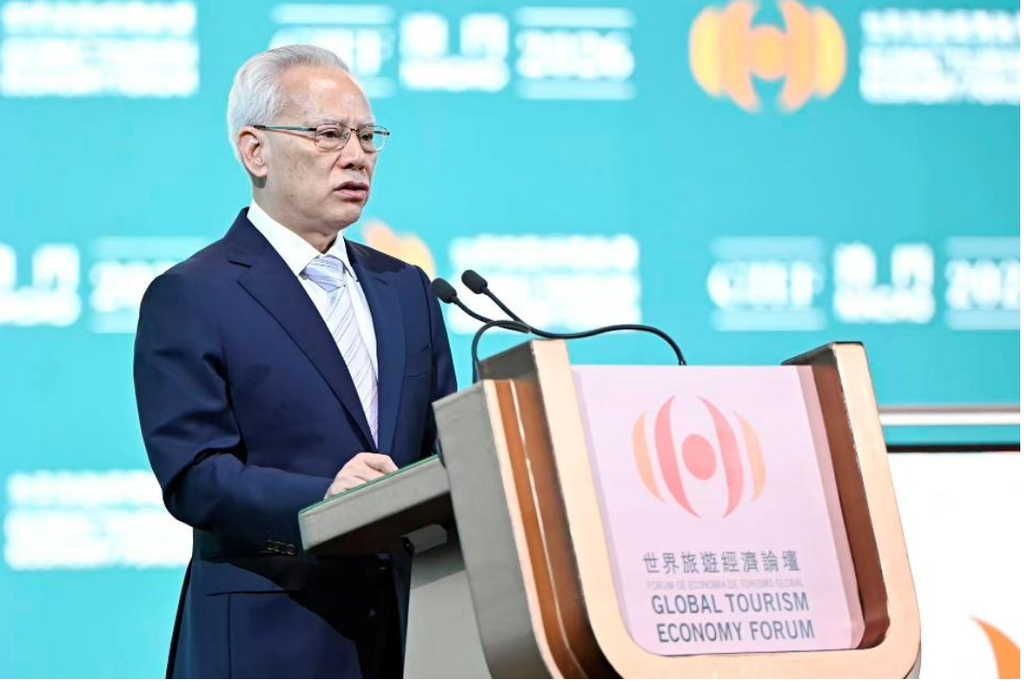
Long Yongtu, a former vice minister of foreign trade, added another angle. He argued that tourism grows stronger when it blends with other industries. Local communities must share the benefits too. Done well, he said, travel also lifts a country’s reputation.
Spain and Hainan: two destinations to watch
Spain was the Forum’s partner country. Miguel Sanz Castedo leads Turespaña and the European Travel Commission, and he spoke on its behalf. He asked how to use technology without losing the human side of travel. His goal is a tourism sector that is “more sustainable, more innovative, more connected and more human.”
Hainan was the feature province. Executive Vice Governor Bateer called it China’s largest special economic zone and its only free trade port. The island shares the South China Sea with Macao. He invited visitors to come for leisure and investment.
What this means for your next trip to Macao SAR & Mainland China
Set the speeches aside for a moment. Three practical points came out of the week.
Check the visa rules. China has widened visa-free entry, so a trip is likely far simpler than you expect. Rules vary by passport, so confirm before you book.
Give Macao more than a stopover. Plan a few days for the food, the history and the quieter historical streets.
Keep an eye on Hainan. The island is courting international visitors hard. Expect new resorts and offers to follow.
Luo Laijun, Vice Chairman of the All-China Federation of Industry and Commerce, said recent shocks have forced the industry to change. He named health emergencies, extreme weather and economic swings. He believes green and smart travel can turn those crises into progress. You will likely see more of both on your next trip to Macao.

 Could Melbourne Be the World’s Ultimate Mega City?
 This Hong Kong Hotel Just Got a Major Eco-Bragging Right

