
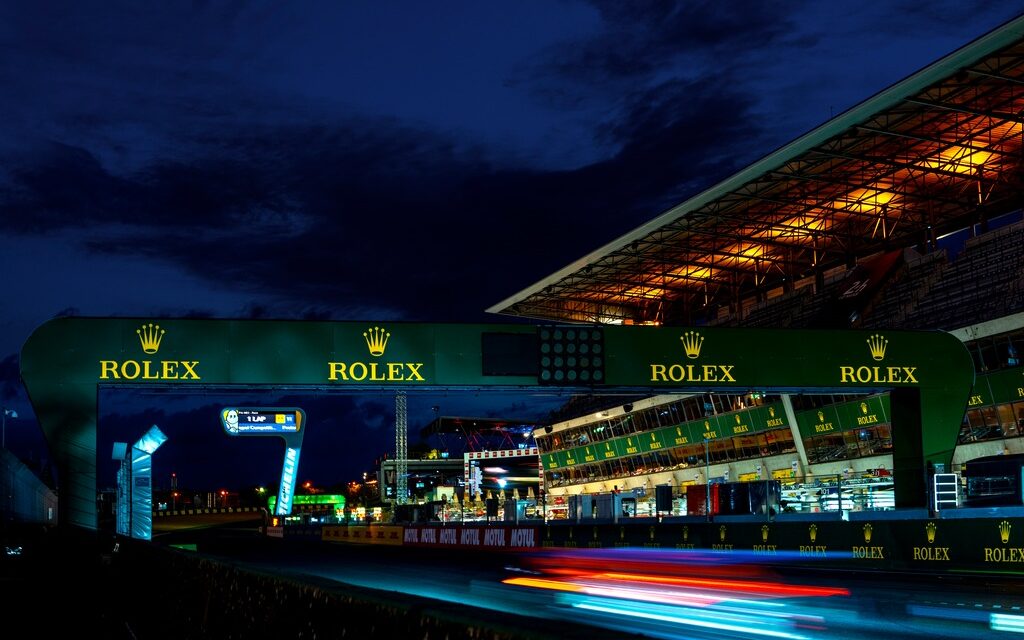
Few races in world motorsport carry the mythology of the 24 Hours of Le Mans.
It is not simply a race measured by laps, speed or podium places. It is a twice-around-the-clock test of judgement, stamina, machinery, teamwork and nerve. Drivers must race through daylight, dusk, darkness and dawn, while teams make hundreds of decisions that can define the difference between victory, heartbreak and survival.
For Tom Kristensen, the Danish racing legend known across the sport as “Mr Le Mans”, the race is not only part of his career. It is central to his identity.
As the 2026 edition approaches, the 24 Hours of Le Mans also marks a notable milestone: 25 years since Rolex became the Official Timepiece of the event in 2001. Yet the more interesting story is not the anniversary itself. It is what time means at Le Mans — and few drivers understand that better than Kristensen.
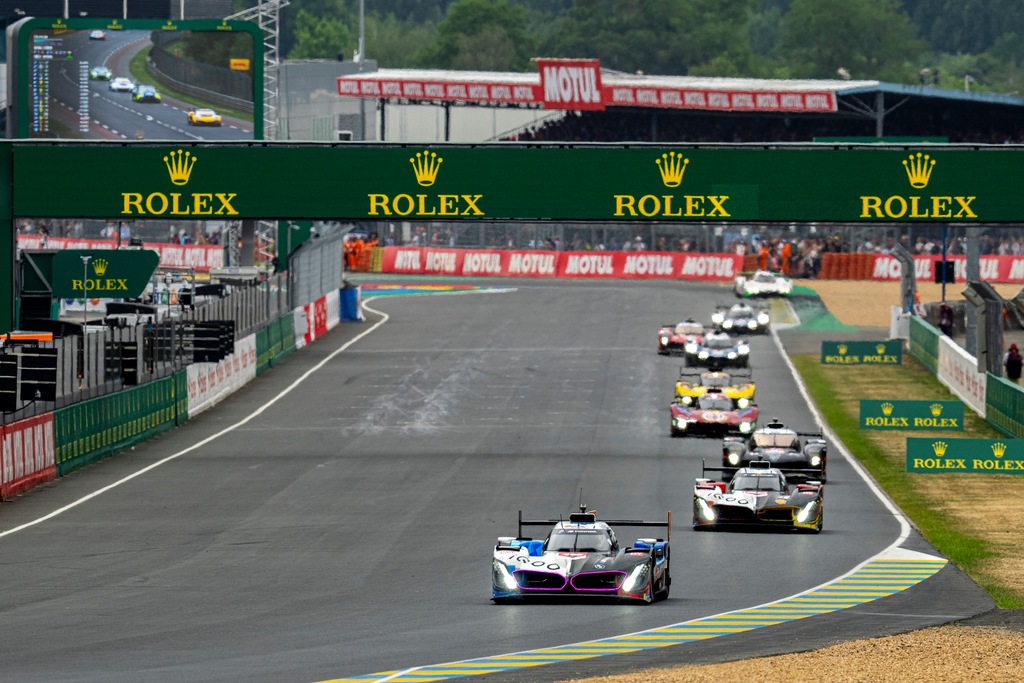
A Race Where Time Is The Real Opponent
At Le Mans, time is everywhere.
It sits above the circuit, counts down through the night, defines pit strategy, shapes overtaking decisions and exposes even the smallest weakness in a car, driver or team. A single delay in the pits can undo hours of progress. A mistimed move in traffic can change the entire race. A few seconds lost at the wrong moment can feel enormous when the clock is always running.
Kristensen remembers the finish of the 2001 race clearly. Crossing the line that year, he recalls seeing the clock as he completed one of the hardest 24 hours of his career. It was his third overall Le Mans victory, and it came during a period that would help build one of the greatest records in endurance racing history.
That win was part of a journey that would eventually deliver nine overall victories at the 24 Hours of Le Mans — a record that remains one of motorsport’s most remarkable achievements.
The Rookie Who Immediately Understood Le Mans
Kristensen’s Le Mans story began in 1997, when he arrived as a young rookie and a late addition to the Joest Racing team.
Le Mans can be unforgiving to newcomers. The Circuit de la Sarthe is long, fast, unpredictable and mentally demanding. Traffic management is constant. Weather can change. Mechanical problems are always waiting. The race asks drivers to be aggressive and patient at the same time.
Kristensen, however, adapted instantly.
On debut, he helped take the overall victory and set a lap record along the way. It was the beginning of something extraordinary. From the moment he got into the car and took the lead, Kristensen later described feeling that something special was unfolding.
That instinct proved correct.
Six Straight Wins And An Era-Defining Run
After the promise of 1997 came lessons, setbacks and a growing hunger to return to the top of the podium.
Then came the period that would define Kristensen’s Le Mans legend.
From 2000 to 2005, he achieved six consecutive overall victories with four different teams. In endurance racing, where success depends on drivers, engineers, mechanics, strategy, reliability and weather all aligning, that kind of run is almost impossible to overstate.
It was not dominance in the simple sense. Le Mans rarely allows that. Every year brings new risks, new rivals and new problems. Each victory had to be earned across 24 hours of pressure, with the race demanding fresh answers every time.
That is part of why Kristensen’s record has become so revered. He was not merely fast. He was adaptable, calm under pressure and able to read the rhythms of a race that changes constantly.
Why Timing Defines Endurance Racing
Kristensen has often spoken about how endurance racing is built around timing.
In sprint racing, speed can sometimes overwhelm everything else. At Le Mans, timing is more complex. It is about knowing when to attack, when to wait, when to preserve the car, when to push through traffic, when to trust the strategy and when to improvise.
Every overtake, pit stop and defensive move can become a split-second decision. The best endurance drivers are not only quick; they are precise decision-makers under fatigue.
That is why Kristensen’s success feels so closely tied to the nature of Le Mans itself. His greatest victories were not just won by pace. They were won by judgement over time.
Life After The Cockpit
Kristensen retired from racing in 2014 at the age of 47, bringing an extraordinary driving career to a close. But his relationship with Le Mans did not end when he hung up his gloves.
Since then, he has watched the race evolve from the outside, observing one of motorsport’s oldest events continue to reinvent itself. The introduction of the Hypercar class has brought fresh manufacturer interest and new competitive energy. The centenary edition in 2023 reminded fans of the race’s deep heritage. The development of more sustainable technologies has also reshaped the direction of endurance racing.
Through it all, the spirit of Le Mans has remained recognisable: long hours, changing light, human fatigue, technical risk and the relentless demand for teamwork.
The New Generation Takes On The Same Challenge
Modern Le Mans may look different from the era Kristensen dominated, but the central challenge remains the same.
Drivers still have to race through the night. Teams still have to manage pressure minute by minute. Cars may be more advanced, but the race still has a way of testing everything that cannot be fully simulated: instinct, concentration, resilience and composure.
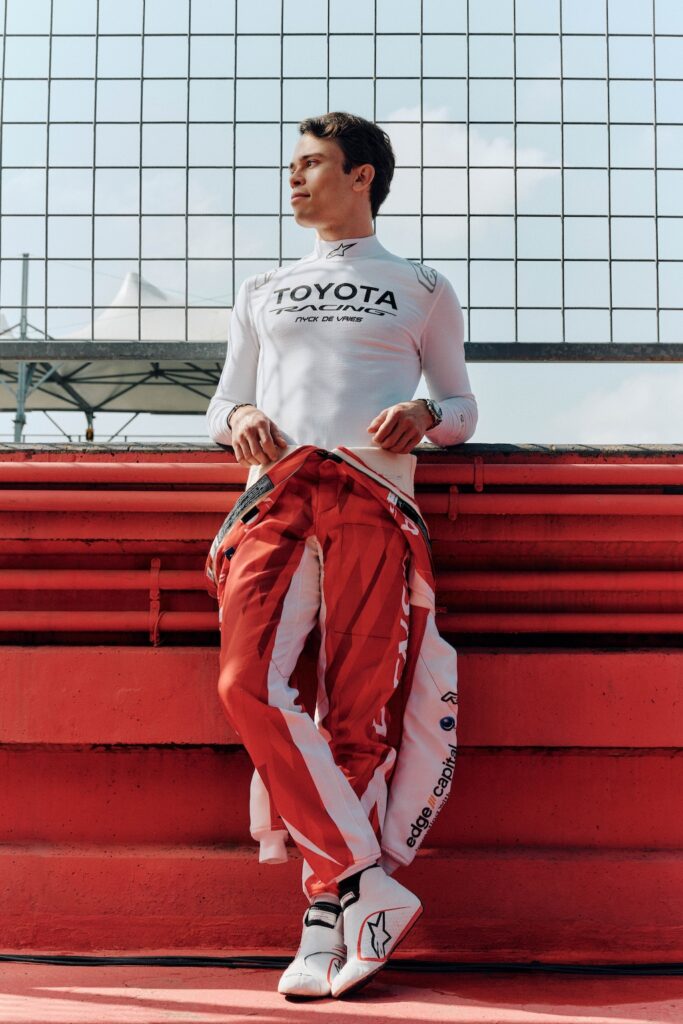
Among the newer names taking on that challenge is Nyck de Vries, the Dutch driver who has already made seven appearances at Le Mans and finished second in 2024. In 2026, he is set to return to the Circuit de la Sarthe with ambitions of going one step further.
His presence highlights the generational thread running through the race. Kristensen’s era created one kind of Le Mans legend. Today’s drivers are building another in a championship environment shaped by Hypercars, hybrid systems, global manufacturer competition and rising international attention.
Le Mans In 2026: A Race Still Built On Drama
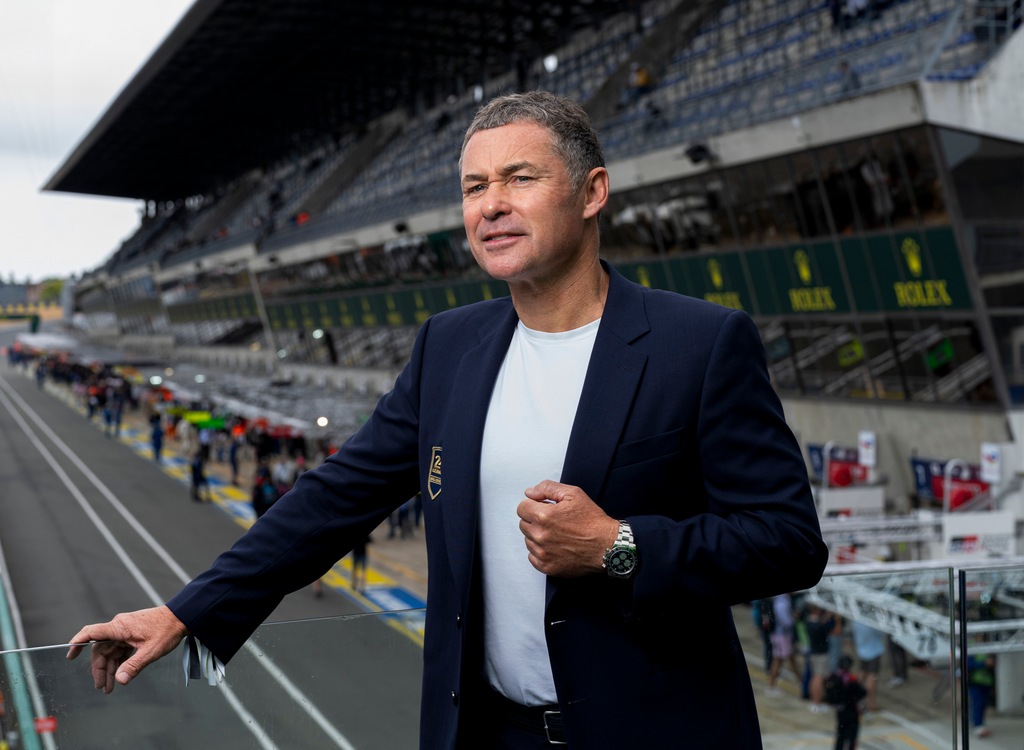
The 2026 edition of the 24 Hours of Le Mans is scheduled to begin on Saturday, 13 June, at 4.00 p.m. local time at the Circuit de la Sarthe in France.
As always, the opening laps will matter. But Le Mans is not won at the start. The race will move through afternoon heat, evening shadows, cold night stints, early morning fatigue and the final hours where every sound from the car can feel significant.
By Sunday afternoon, the race will have asked the same questions it has asked for generations.
Who managed the night best?
Who protected the car without losing momentum?
Who made the right call in the pits?
Who stayed sharp when fatigue began to blur the edges?
Who understood time better than everyone else?
That is the essence of Le Mans.
The Weight Of The Circuit de la Sarthe
Part of the magic of the 24 Hours comes from the circuit itself.
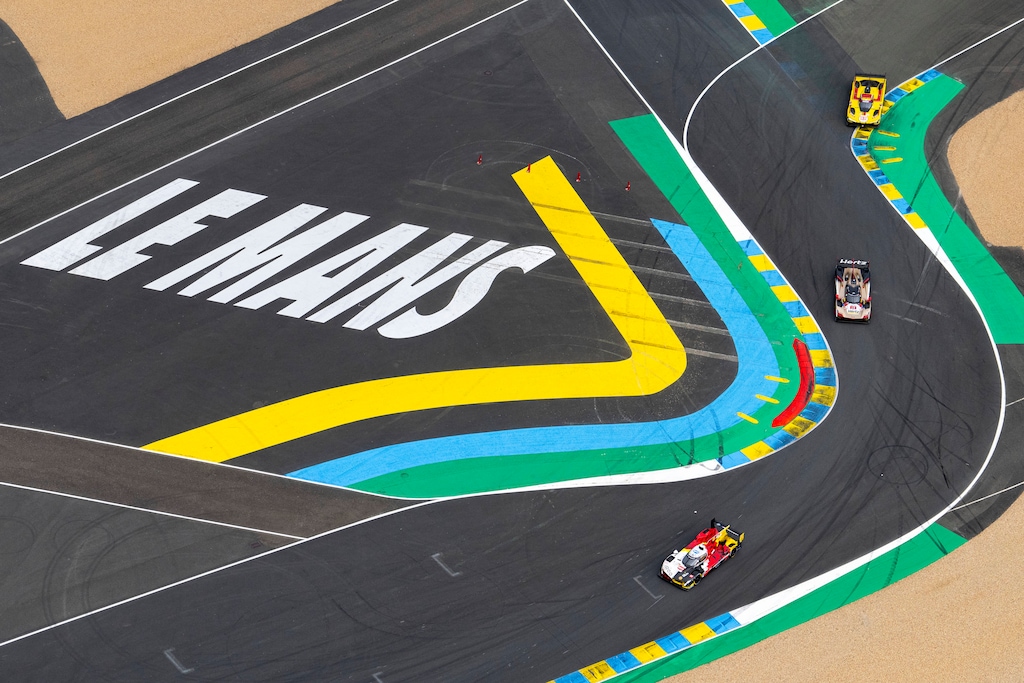
The Circuit de la Sarthe is not a conventional closed racing venue. It blends permanent track sections with public roads, creating a long and fast layout that has tested the world’s best endurance drivers for more than a century.
Its character is central to the race. Long straights reward speed and efficiency. Heavy braking zones demand confidence. Traffic requires constant calculation. Weather can affect one part of the circuit before another. In darkness, even experienced drivers must rely on memory, trust and rhythm.
This is why Le Mans feels different from almost every other race. It is not just a contest between cars. It is a contest between drivers, machines, teams, conditions and time itself.
Why Tom Kristensen’s Record Still Matters
Nine overall victories at Le Mans is a statistic that speaks for itself, but the deeper significance lies in what the record represents.
Kristensen’s success came across different teams, different cars and different competitive eras. He won as a young driver and as an established master. He adapted to changing circumstances and repeatedly delivered in a race where even the strongest entries can fail.
That kind of record does not happen by chance. It requires speed, intelligence, endurance and trust from the people around the driver.
It also requires emotional resilience. Le Mans can be cruel. Drivers can lead for hours and lose everything near the end. Teams can work for a year and watch a minor issue destroy their chances. To win once is difficult. To win repeatedly is exceptional. To win nine times is historic.
A Race That Continues To Attract Global Attention
The 24 Hours of Le Mans remains one of the great international motorsport events because it continues to balance heritage with reinvention.
Classic endurance fans are drawn to its history. Modern racing followers are drawn to its technology and manufacturer battles. Casual viewers are often drawn to the spectacle: the long race, the night running, the iconic circuit and the sense that anything can happen.
The current era has added even more momentum. The Hypercar category has increased competition at the front, bringing fresh energy to the FIA World Endurance Championship and strengthening Le Mans as a global motorsport showcase.
For fans, that makes the 2026 race especially compelling. It is not only another edition of a famous event. It is part of a renewed period for endurance racing, with established names, rising stars and major manufacturers all chasing the same prize.
Beyond The Trophy
Winning Le Mans is not like winning most races.
The trophy matters, of course, but so does the story of how the race was won. Fans remember the night stints, the rain, the strategy calls, the mechanical scares, the late attacks and the faces of exhausted drivers after the chequered flag.
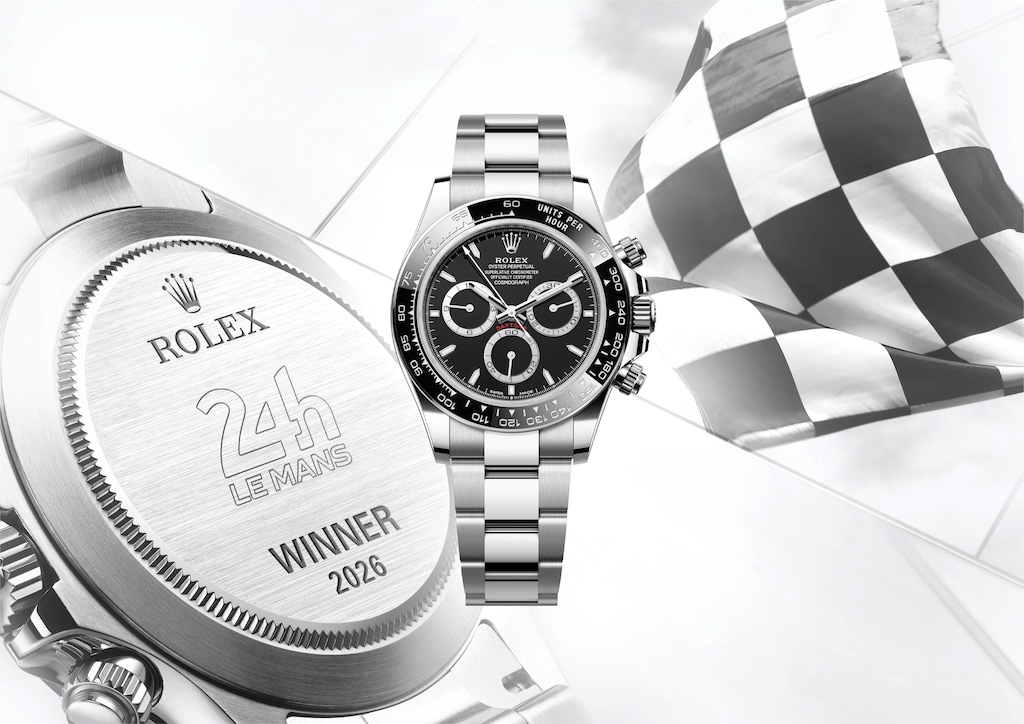
For Kristensen, each victory carries its own memory. His reflections on the watches presented to overall winners are less about luxury than about personal history. Each one represents a race, a team, a year, a battle and a moment in time that cannot be recreated.
That is what makes Le Mans so powerful. It turns time into memory.
Final Thoughts: Le Mans Still Belongs To Those Who Master Time
As the 2026 24 Hours of Le Mans approaches, Tom Kristensen’s reflections offer a reminder of what makes the event so enduring.
Le Mans is not simply about being the fastest driver or having the quickest car. It is about mastering time across an entire day and night. It is about knowing when to push, when to protect, when to trust the car, when to trust the team and when to make the move that changes everything.
Kristensen understood that better than almost anyone. His nine victories remain a benchmark for endurance racing greatness, while the next generation continues to chase its own place in the race’s history.
Twenty-five years on from 2001, the clocks will again count down at the Circuit de la Sarthe. The cars will launch into the first lap. The teams will settle into the rhythm of endurance. The night will arrive. The pressure will build.
And once again, at Le Mans, time will decide everything.
 Join The Fury of the Isle of Man TT
  The Amazing North West 200
  24 Hours & One Obsession. The Rolex Daytona Drips with Power and Temptation
