

Ben Fogle has seen a lot. He has rowed across the Atlantic. He has raced across Antarctica. He has climbed Everest. But China? That was different. That was something else entirely.
The Series That Stopped Everyone Talking
Earlier this year, UK’s Channel 5 aired a three-part series. It was called “Ben Fogle in China.” Some people called it “China with Ben Fogle.” Either way, it grabbed massive attention. Millions of viewers watched a familiar face discover an unfamiliar world. And what a world it turned out to be.
Fogle spent two months travelling. He moved from north to south. He went from ancient walls to futuristic towers. He tasted tea that cost more than premium whisky. He rode trains faster than anything Britain has ever built. He met fishermen who earn more from blogging than from fish. This was not the China most Westerners imagine. This was something far more interesting.
Why He Went
So why did he go? Fogle had heard wonderful things. Friends raved about the food. They raved about the trains. They raved about the warmth of the people.
Photos of the Great Wall impressed him. Videos of Shanghai’s skyline shaped his view. It looked extraordinary. It looked like a place he needed to see.
But Fogle is not the kind of man who trusts other people’s stories. He likes to travel and see things for himself. He wanted to scratch beneath the surface. He wanted to find the real China. And that is exactly what he did.
The Great Wall: More Than a Photo Op
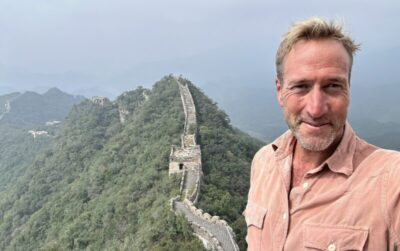
The journey began at the Great Wall. Of course it did. You cannot visit China without seeing that ancient marvel. But Fogle did not just pose for photos. He got his hands dirty. He joined a restoration project. He carried bricks. He mixed mortar. He stood on sections that tourists never reach. And he was moved. Deeply moved.
“The wall is one of the most spectacular things I have ever seen,” he said later. That is saying something. This is a man who has seen the Sahara. He has seen the Amazon. He has seen the Arctic. But the Great Wall stopped him in his tracks. It winds across mountains like a dragon made of stone. It represents three thousand years of history. It represents sacrifice. It represents ambition. It represents something almost beyond words.
Tea, Robots, and the Tea-Horse Road
From the north, Fogle headed south. He followed the ancient Tea-Horse Road. This was the route that carried tea from China to Tibet. It was a trade route older than the Silk Road. And the tea? It was extraordinary. Fogle discovered that premium Chinese tea commands staggering prices. A tiny handful of leaves can cost tens of thousands of pounds. It is treated like fine whisky. It is treated like art. Farmers tend their plants with the care of jewellers.
But here is the twist. The young people are leaving. They are heading to the cities. They want jobs in tech. They want jobs in finance. They want the bright lights of Shanghai and Shenzhen. So who will farm the tea? Robots, apparently. Chinese companies are now building agricultural robots. These machines will tend the terraces. They will pick the leaves. They will carry on traditions that humans are abandoning. Fogle found that fascinating. And slightly heartbreaking.
Cormorant Fishing: Tradition Meets Vlogging
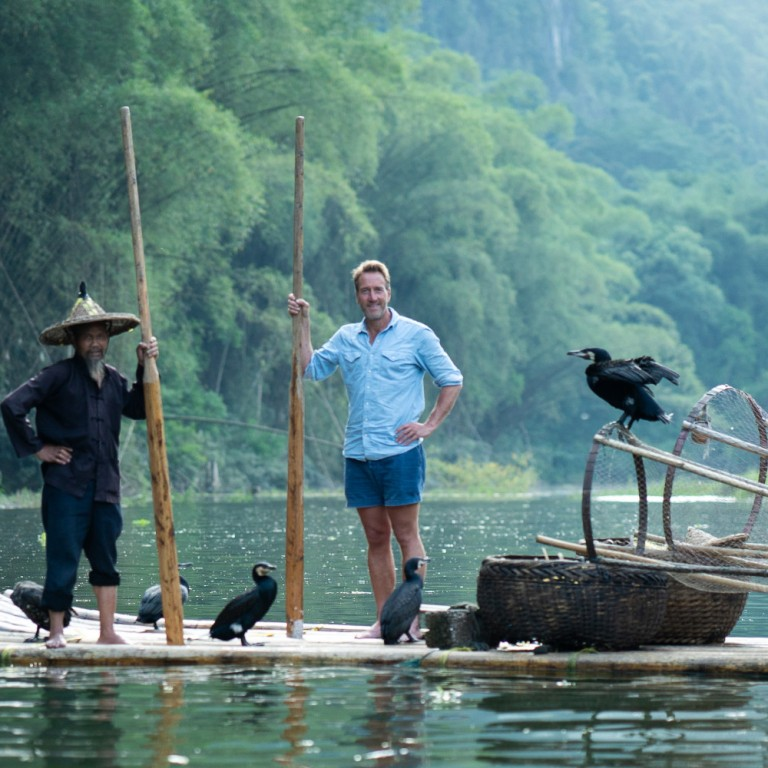
Then there was the cormorant fishing. This ancient practice has existed for over a thousand years. Fishermen use trained birds to catch fish. The birds dive. They grab the fish. They return to the boat. It is mesmerising to watch. But Fogle discovered something surprising. The fishing is not really about fish anymore. It is about social media.
The fisherman he met earns more from Vlogging than from actual fishing. Tourists come to watch. They take photos. They shoot videos. The tradition survives because of smartphones. It survives because of influencers. It survives because of the very modernity that threatened to kill it. Fogle called it “being held up by the internet.” He was not being critical. He was being honest. Tradition adapts. That is what traditions do.
Shenzhen: The Future Is Already Here
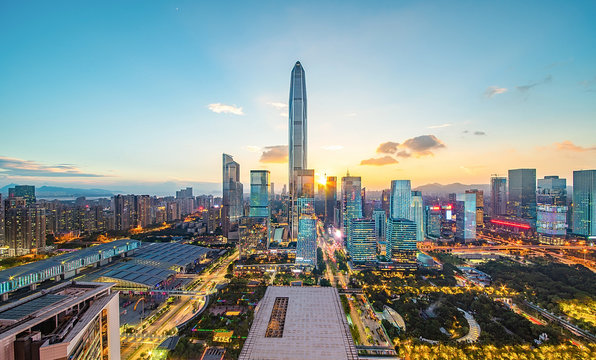
And then there was Shenzhen. If the Great Wall represents China’s past, Shenzhen represents its future. This city was a fishing village forty years ago. Now it is a metropolis of twenty million people. It is the tech capital of the world. It is where your iPhone was probably built and designed. It is where the next generation of gadgets is being invented right now.
Fogle was blown away. He admitted it freely. “Shenzhen is off the scale,” he said. The innovation there is staggering. The pace of change is dizzying. China has moved beyond the “cheap copycat” stereotype. It is now a leader. It is a pioneer. It is setting the pace for the rest of the world. And Fogle wanted Western viewers to understand that. He wanted them to see what is really happening.
Shanghai: A City With Swagger
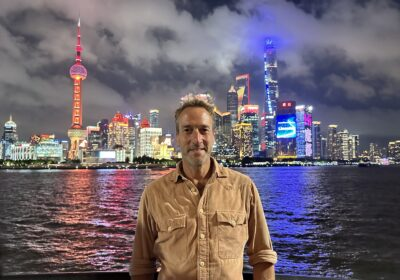
Shanghai gave him a similar jolt. The skyline is absurd. It looks like a science fiction film. The Pudong district rises from the river like a forest of glass and steel. At night it glows. It pulses. It demands attention. Fogle stood on the Bund and looked across. He took it all in. And he smiled. This was a city with swagger. This was a city that knew exactly where it was going.
Hong Kong: Where East Meets West
Hong Kong was part of the journey too. It sits at the edge of mainland China. It feels different. It feels electric. The harbour is stunning. The food is world-class. Fogle explored the streets. He felt the energy. He saw how this city bridges East and West. It is a place unlike anywhere else on Earth.
Hong Kong deserves special mention. The city never sleeps. The restaurants are exceptional. Fogle ate dim sum that melted in his mouth. He drank cocktails on rooftop bars. He looked down at streets that buzzed with life. This is where East meets West. This is where tradition meets tomorrow.
Pandas and Pure Joy
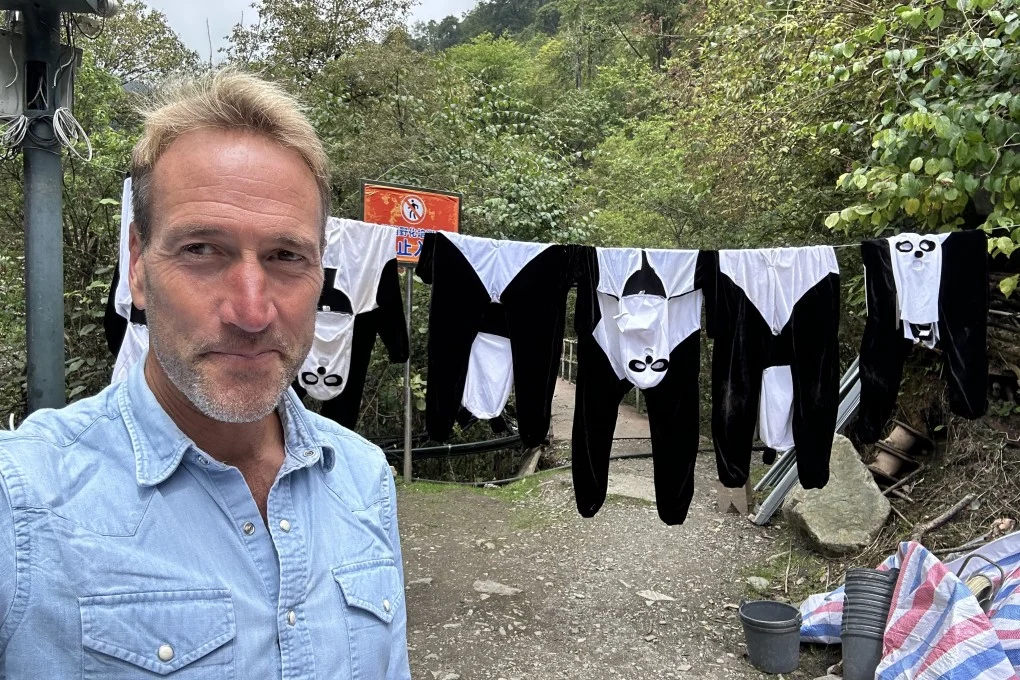
The panda encounter was another highlight. Fogle visited a sanctuary in Sichuan. He saw these gentle giants up close. He learned about conservation efforts. He even dressed up in a panda suit. The photo went viral. It was ridiculous. It was brilliant. It was pure Ben Fogle.
The Train Revelation
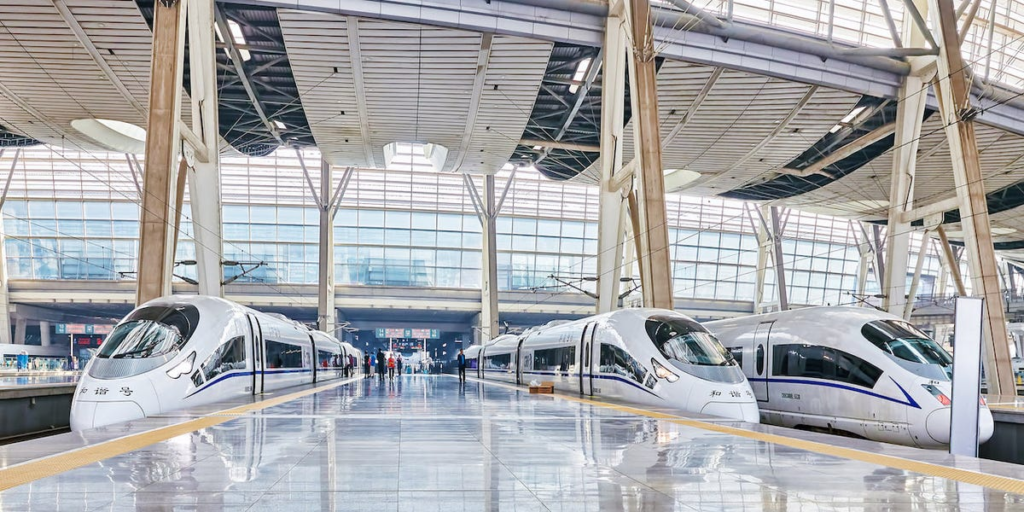
But the real revelation? The trains. Fogle is a train enthusiast. He always has been. And China’s high-speed rail network is the best on Earth. It stretches over fifty thousand miles. It connects cities most Britons have never heard of. The trains are clean. They are punctual. They are fast. You can cross the entire country in hours. Not days. Hours.
Fogle travelled everywhere by rail. He said it enhanced his whole experience. He watched the landscape blur past. He saw rice paddies give way to mountains. He saw villages give way to megacities. And he felt safe. He felt comfortable. He felt welcome. That is not the narrative we usually hear. But it was his truth. And he stuck to it.
The first-class train experience is worth every penny. You get a lie-flat bed. You get gourmet meals. You get privacy. You get views that change by the hour. One moment you are in farmland. The next you are in mountains. It is travel as it should be. Slow enough to see. Fast enough to cover ground.
The People and the Food
He met ordinary people everywhere. They were warm. They were open. They were curious about this tall Englishman with the camera crew. Fogle ate extraordinary food. He tried dishes he could not pronounce. He drank baijiu with local officials. He danced with pensioners in public parks. He wore panda costumes for reasons that made sense at the time. This was not a sanitised tour. This was real life. Messy, joyful, complicated real life.
What about the language barrier? Fogle does not speak Mandarin. He does not speak Cantonese. But he got by. He used gestures. He used smiles. He used translation apps. The Chinese people he met were patient. They were helpful. They wanted to communicate. And they did.
The food alone deserves its own show. Fogle ate dumplings in backstreet kitchens. He ate Peking duck in century-old restaurants. He ate street food that cost less than a pound. And he ate meals that cost more than a car. The variety stunned him. The flavours overwhelmed him. He said it was the best food he had ever tasted. And he has eaten everywhere.
Behind the Scenes
The filming was not always easy. The crew faced long days. They faced early starts. They faced endless train journeys. But Fogle thrived on it. He loves the grind. He loves the adventure. He loves not knowing what comes next. That is why he is still doing this after twenty years.
Fogle was surprised by the filming flexibility he was given. He could go where he wanted. He could film what he wanted. The China he saw off-camera matched the China he showed on screen. That matters.
Did he see everything? Of course not. No two-month trip can capture a nation of 1.4 billion people. No television series can explain three thousand years of history. But Fogle gave it an honest shot. He asked questions. He listened to answers. He formed opinions based on experience, not prejudice. And that is rare. That is valuable.
The Luxury traveller’s Roadmap
For luxury travellers, Fogle’s route is a goldmine. Start in Beijing. Walk the Great Wall at sunrise. Then board a high-speed train. Head to Shanghai. Stay at the Peninsula. Eat at Ultraviolet. Then fly to Yunnan. Drink tea with the locals. Then end in Hong Kong. Shop. Eat. Repeat.
So what is the takeaway for travellers? China is not what you think. It is not just a manufacturing hub. It is not just a political headline. It is a destination of extraordinary depth. It offers ancient temples and futuristic cities. It offers tea ceremonies and robot farms. It offers cormorant fishing and TikTok stars. It offers silence on the Great Wall and noise in Shenzhen. It offers everything in between.
The luxury traveller can ride first-class high-speed rail. They can stay in world-class hotels in Shanghai. They can sip thousand-pound tea in Yunnan. They can have the Great Wall to themselves at dawn. They can eat meals that rival anything in Paris or Tokyo. And they can do it all with a sense of discovery. With a sense of wonder. With a sense that they are seeing something few Westerners truly understand.
A Nation on Fast Forward
China is changing fast. Faster than anywhere else on earth. Fogle saw that clearly. He saw old villages being rebuilt. He saw new cities rising overnight. He saw tradition and technology holding hands. It is confusing. It is exciting. It is unlike anything you have seen before.
Fogle’s series is a gift in that regard. It peels back the curtain. It shows a China that is confident. A China that is innovative. A China that is proud of its past and obsessed with its future. It shows a China that welcomes visitors. That feeds them well. That moves them around with astonishing efficiency.
Is China perfect? No. Fogle never claimed it was. No country is perfect. But is it worth visiting? Absolutely. Is it worth understanding? Without question. And is it the next great luxury destination for the curious traveller? You bet it is.
The Final Word
Ben Fogle went to China with an open mind. He left with something better. He left with understanding. He left with stories. He left with a conviction that the world needs to look again. And maybe that is the best thing any travel show can do. It does not just show us a place. It changes how we see it.
Would Fogle go back? In a heartbeat. He said so himself. There is still so much to see. The deserts of Xinjiang. The mountains of Guilin. The canals of Suzhou. China is vast. It is varied. It is impossible to tire of. And now, thanks to Ben Fogle, more of us might just find out why.
So book the ticket. Ride the train. Drink the tea. Walk the wall. And prepare to be surprised. Ben Fogle was. And if it can surprise a man who has been everywhere, it can certainly surprise you.

 How Evians Choong Is Building an Empire, One Themed Hotel at a Time
  How One Forgotten Password Cost $500 Million +
